Fusaka Upgrade: Price Surge or Just Hot Air?
Ethereum's Fusaka Upgrade: Will the Price Actually Surge?
Ethereum's gearing up for its Fusaka upgrade on December 3, 2025. The promise? A faster, cheaper network, especially for Layer-2 solutions. The question on everyone's mind, of course, is whether this translates to a price surge for ETH. Past upgrades, like May's Pectra, triggered rallies (a 30% jump, reportedly). But can history really predict the future here?
The core of Fusaka lies in two key changes: Peer Data Availability Sampling (PeerDAS) and an increased block gas limit. PeerDAS aims to lighten the load on validators by having them sample, rather than download, entire blobs of data. This supposedly cuts bandwidth and storage needs by up to 85%. The block gas limit, meanwhile, jumps from roughly 45 million to 60 million units, increasing transaction capacity per block. The official line is that this makes Ethereum faster, cheaper, and ready for greater demand.
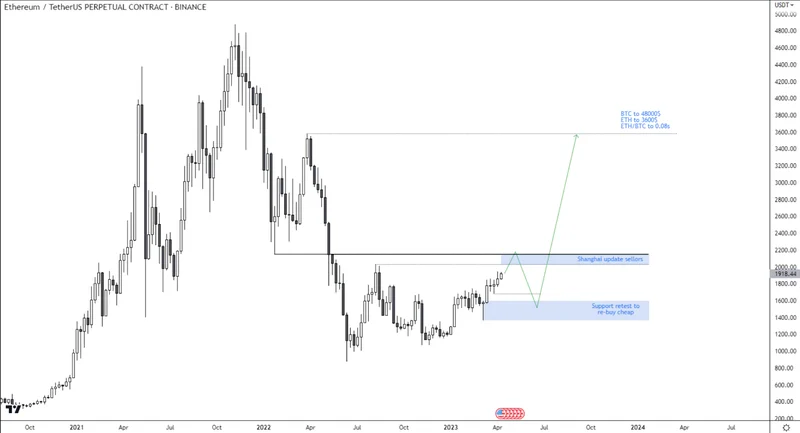
But let's dissect these claims. A 40-60% reduction in Layer-2 transaction costs is touted. If true, this *should* boost network fees, increase staking demand (potentially), and reduce selling pressure. But *if* is the operative word. One analyst, "TED," points out that ETH has already dipped below a key support zone of $2,800-$2,850. A failure to reclaim this level could send the price tumbling towards $2,500. A successful reclaim, however, could push ETH back above $3,000.
Tom Lee, ever the optimist, is even more bullish. He anticipates a potential dip to $2,500 in the near term, followed by a surge to between $7,000 and $9,000 by early 2026. That's a bold call, especially considering the crypto market's recent volatility. He believes that ETH can hit $7,000 to $9,000 by the end of January.
Fusaka: Upgrade or Overhyped? Data Demands Skepticism
Digging Into the Data: Beyond the Hype
So, what's the real story here? Fusaka is undoubtedly a significant technical upgrade. But upgrades alone don't guarantee price surges. Market sentiment, macroeconomic conditions, and regulatory developments all play a role. The question is, how much of the projected benefits are already priced in?
Here's where I get skeptical. All of these projections assume that the upgrade goes smoothly and that Layer-2 usage actually increases by the projected 30-50%. A successful retest could open the door to a move toward $3,500, a resistance zone defined by long-term horizontal levels and the 0.382 Fibonacci retracement. But, as one analyst, Valdrin Tahiri, notes, this rally "seems unlikely based on Ethereum's long-term readings."
What Happens to Ethereum (ETH) After the Fusaka Upgrade?
And this is the part of the report that I find genuinely puzzling: The reliance on past performance as an indicator of future success. Just because previous upgrades led to rallies doesn't mean Fusaka will follow suit. Market conditions are different. Investor sentiment is different. The level of competition from other blockchains is different.
One often-overlooked aspect is the potential for unforeseen technical glitches. Complex upgrades like Fusaka are rarely flawless. Even with extensive testing on Holesky, Sepolia, and Hoodi testnets, unexpected issues can arise once the upgrade goes live on the mainnet. These glitches can spook investors and trigger sell-offs, regardless of the long-term potential of the upgrade.
A Calculated Gamble, Not a Sure Thing
Fusaka is not a guaranteed ticket to riches. It's a calculated gamble, albeit one with potentially significant upside. The network is set to deliver better performance, lower costs, and increased accessibility. Those holding ETH are betting that this upgrade will indeed strengthen Ethereum’s technical base, and many analysts believe this could support ETH’s price in the coming months.
The upgrade activates at slot 13,164,544 after months of testing on Holesky, Sepolia, and Hoodi testnets. Fusaka caps per-transaction gas at 16.78 million units. This will prevent any single transaction from eating an entire block, improve network performance, and reduce denial-of-service risks.
A Grain of Salt
The data is what it is, and I've looked at hundreds of these reports. Remember to take all predictions, including mine, with a grain of salt.
Data-Driven Optimism, Tempered by Reality